This FAQ answers the most commonly searched questions about pharmaceutical excipients — written to give formulators, students, and quality professionals a direct, accurate answer in one place.
What is a pharmaceutical excipient?

A pharmaceutical excipient is any substance other than the active pharmaceutical ingredient (API) that is intentionally included in a drug product to aid manufacturing, stability, drug release, or patient acceptability. Excipients are pharmacologically inactive at the doses used but can still affect how a drug performs.
Why are excipients important in drug formulation?
Excipients often make up more than 90% of a tablet’s weight and directly influence dissolution rate, bioavailability, stability, appearance, and manufacturability. Poor excipient selection can cause batch failures, inconsistent drug release, or reduced shelf life even when the API itself is unchanged.
Are excipients regulated the same way as active ingredients?

No. Excipients are not typically subject to the same independent marketing-approval process as APIs, but they must meet pharmacopoeial quality standards (USP-NF, Ph. Eur.) and are manufactured under IPEC-PQG Good Manufacturing Practice (GMP) guidelines. Regulatory agencies still expect full justification of excipient choice and grade in a drug application.
What is a functionality-related characteristic (FRC)?
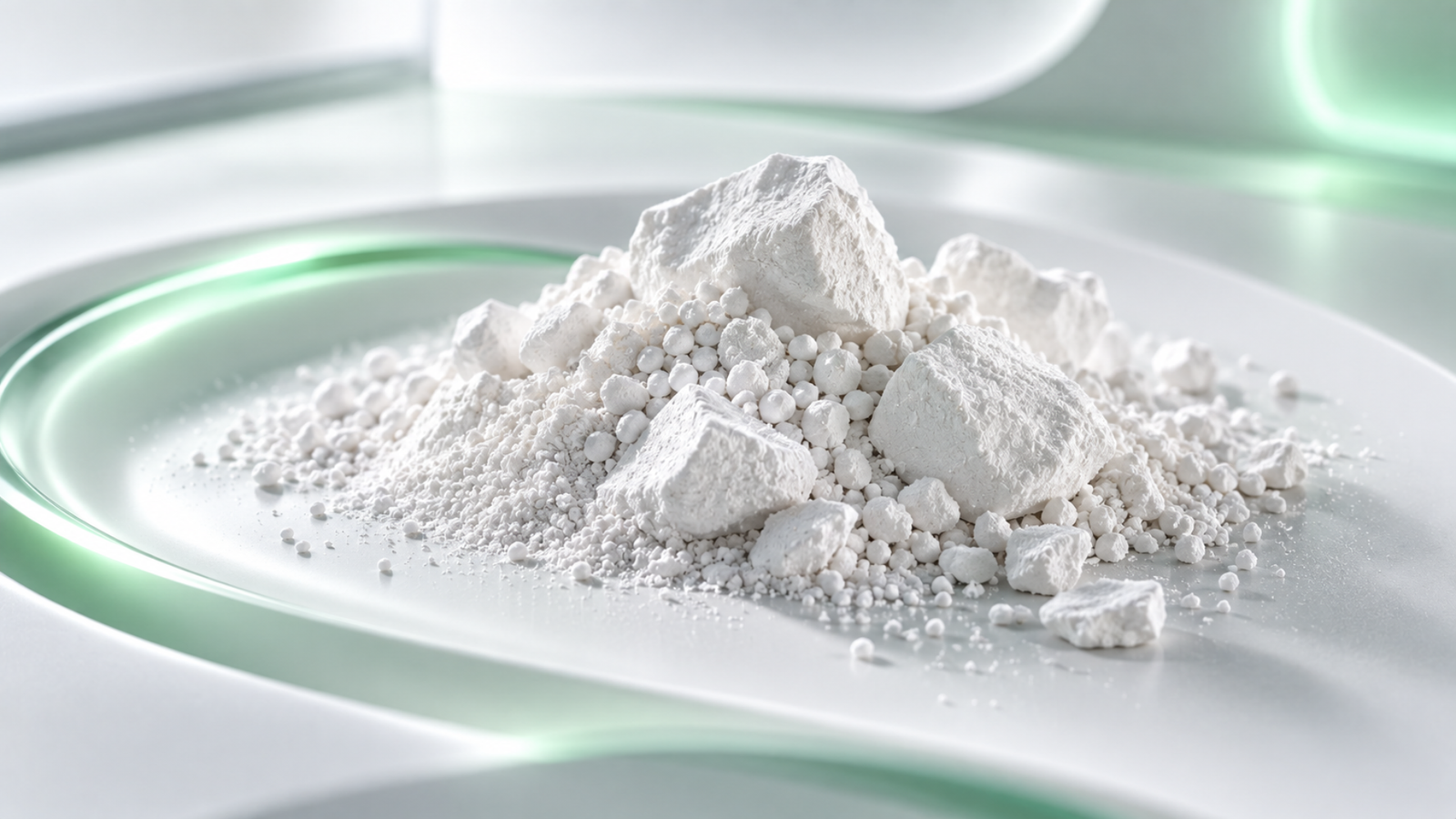
A functionality-related characteristic is a physical or physicochemical property of an excipient — such as particle size distribution, bulk density, or moisture content — that affects its performance in a specific formulation, even when the excipient meets standard compendial specifications.
Can two excipients with the same compendial grade perform differently?
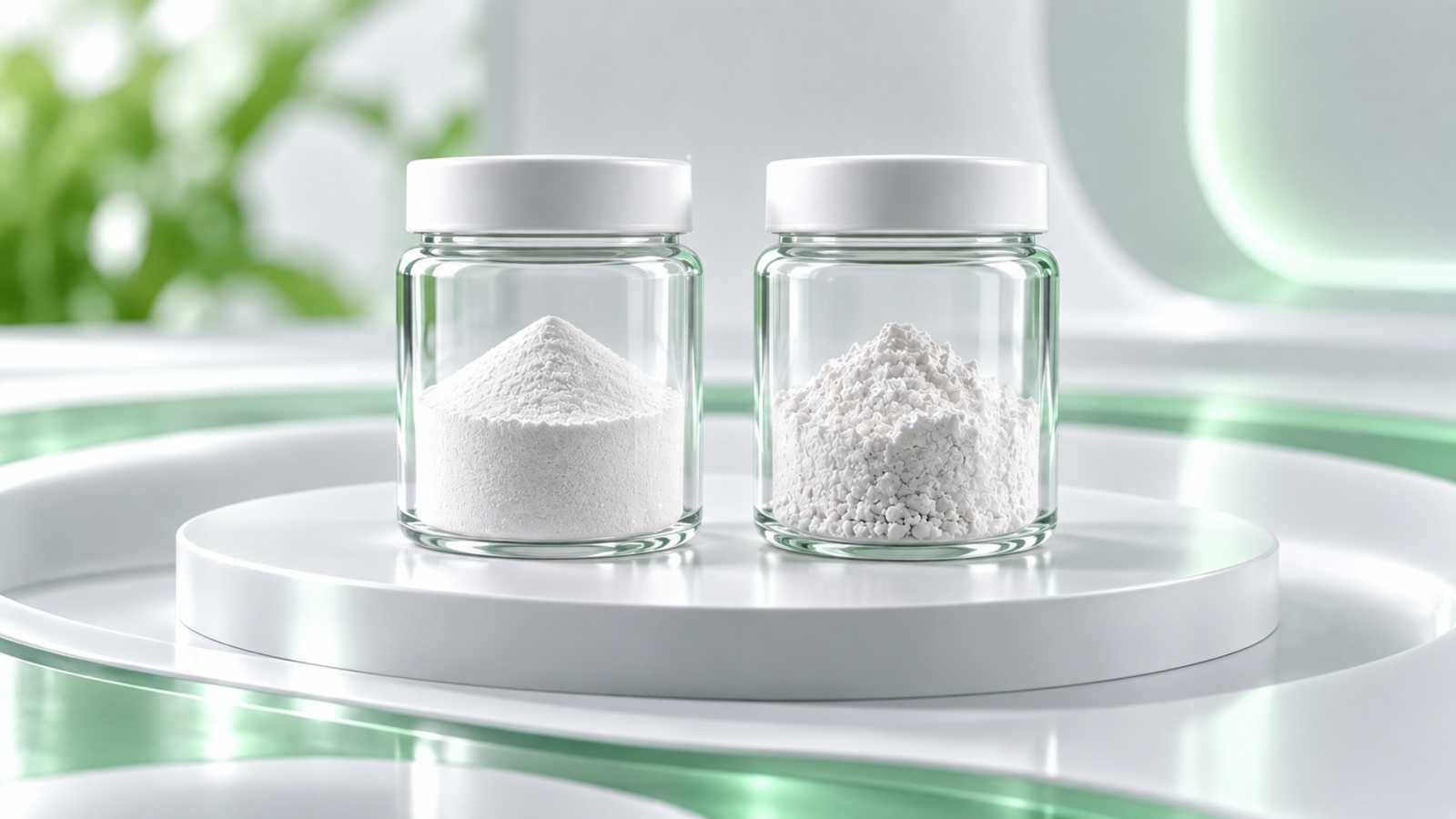
Yes. Two batches of an excipient can both comply with USP-NF or Ph. Eur. monograph requirements yet behave differently in a formulation due to differences in particle size, morphology, or moisture content. This is why FRC testing and supplier qualification matter as much as compendial compliance.
How do I select the right excipient supplier?

Evaluate suppliers on GMP compliance (ideally IPEC-PQG certified), consistency of functionality-related characteristics across batches, regulatory support documentation (DMFs, CoAs), and traceability of the supply chain — not price alone.

Pingback: Primary vs Secondary Functions of Pharma Excipients - Pharmaceutical Excipients